Natural and New Technology
Mole Mapping
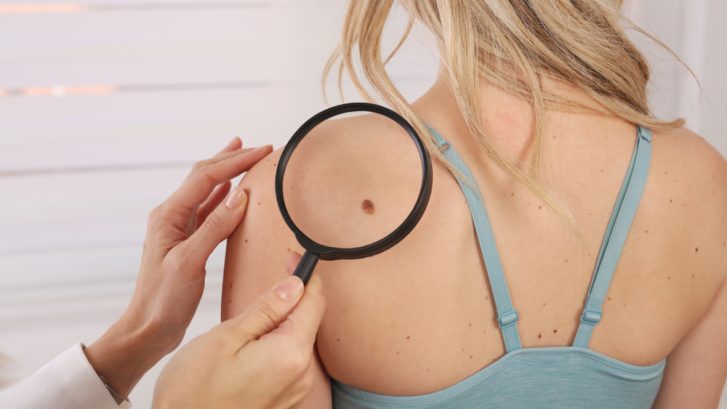
Mole mapping is a screening service to enable early detection of any mole that is changing or is new. Mole mapping is a relatively new concept that involves taking top-to-toe photos of the body. The system uses a specialised magnified camera lens which enables the practitioner to zoom into any suspicious mole to check for abnormalities in appearance. We recommend anyone with moles has a yearly check up to assess mole changes and new moles. This allows our Dermatologists to detect malignant melanoma at the earliest possible stage when it is most amenable to treatment and curable with minor surgery.
Read MorePigmentation
There are few things worse than an uninvited guest especially one that outstayed its welcome. And unfortunately, in the case of skin pigmentation, you can’t keep yawning until it gets the hint. Pigmentation is frustratingly easy to develop, and notoriously tricky to get pigmentation you have is a good starting point.
Types of Pigmentation
Skin pigmentation comes in a number of forms, including Melasma, Sunspots also known as freckles, Pigmentary demarcation lines and post-inflammatory hyper pigmentation. They present differently and are triggered by varying factors.
Pigmentation with deeper skin tones is more prone to hyper pigmentation as there are already more pigment present in the skin. For this reason, it’s more difficult to fade, and frustratingly, recommended treatments such as lasers, can actually make them worse.
Melasma
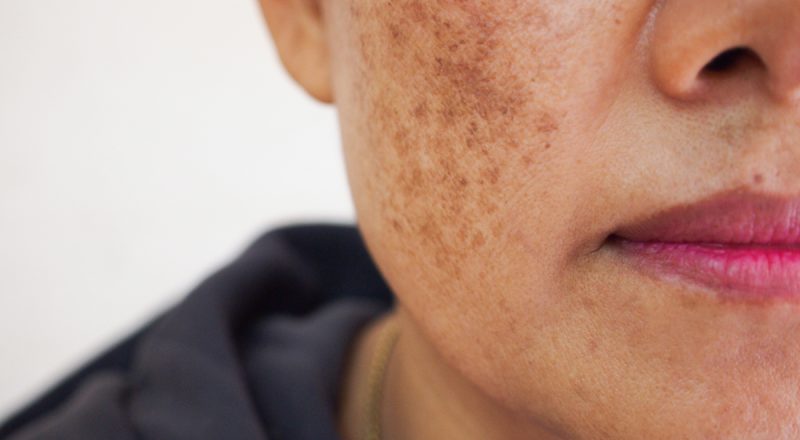
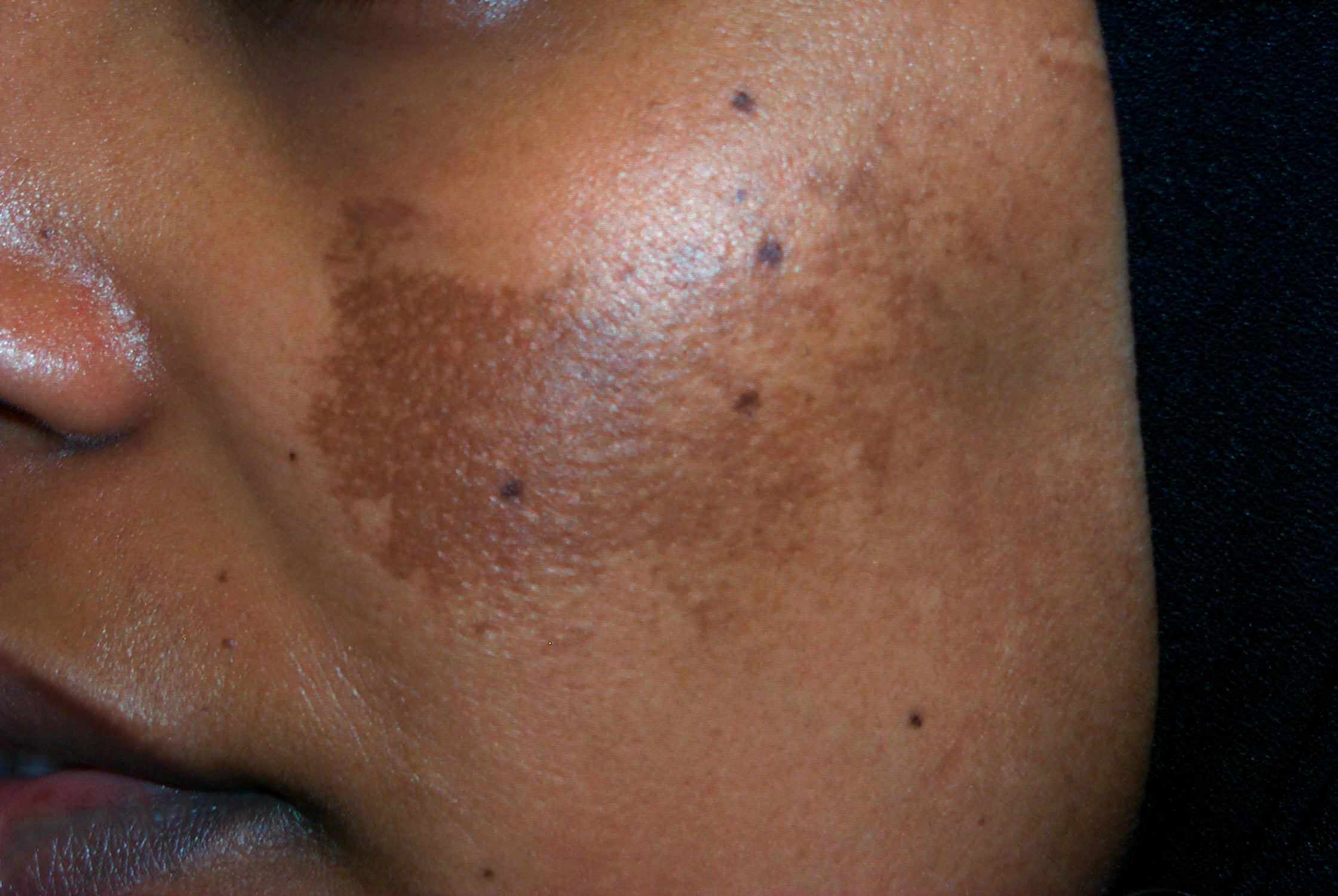
What does melasma look like? Of all the different types of hyperpigmentation, Melasma covers the largest surface area. Melasma patches are flat, have a brown or grey-ish tone and tend to only appear on the face. It is most noticeable in the summer, as sun exposure makes it more worse and prominent.
What causes Melasma?
Melasma tends to be triggered by hormonal changes, and can be sparked by birth control pills and pregnancy. The latter is the most common, and the reason why the condition is also sometimes referred to as “pregnancy mask”. Melasma can occur in men, but appear mostly in women.
Sunspots (Freckles)
What do Sunspots look like? Sunspots are flat, darker marks on your skin that are bigger than a freckle. They tend to appear or become more prominent during the summer, but stick around for winter too.
What causes Sunspots?
UV rays emitted by the sun stimulate your body’s melanin production, which is why our skin gets darker after bathing in the sunshine. With more melanin being produced, over-production becomes more likely, and sunspots (also known as age or liver spots) form. Wearing a daily SPF 50 or above can help prevent sunspots due to the advanced UV filters.
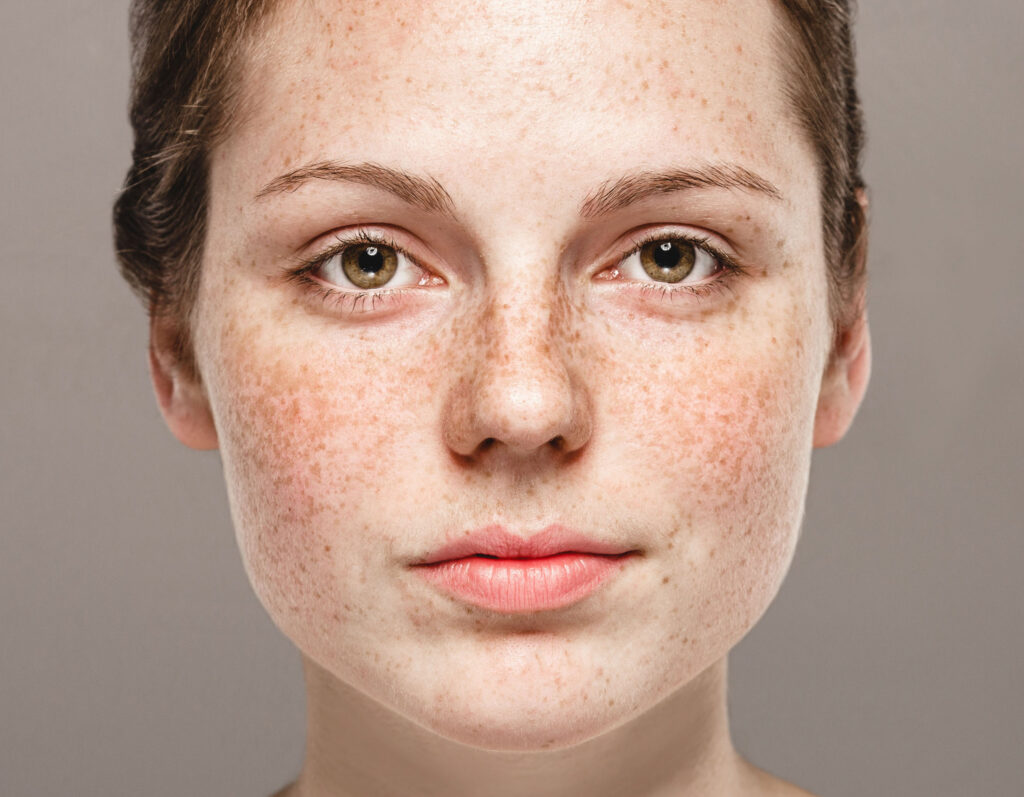
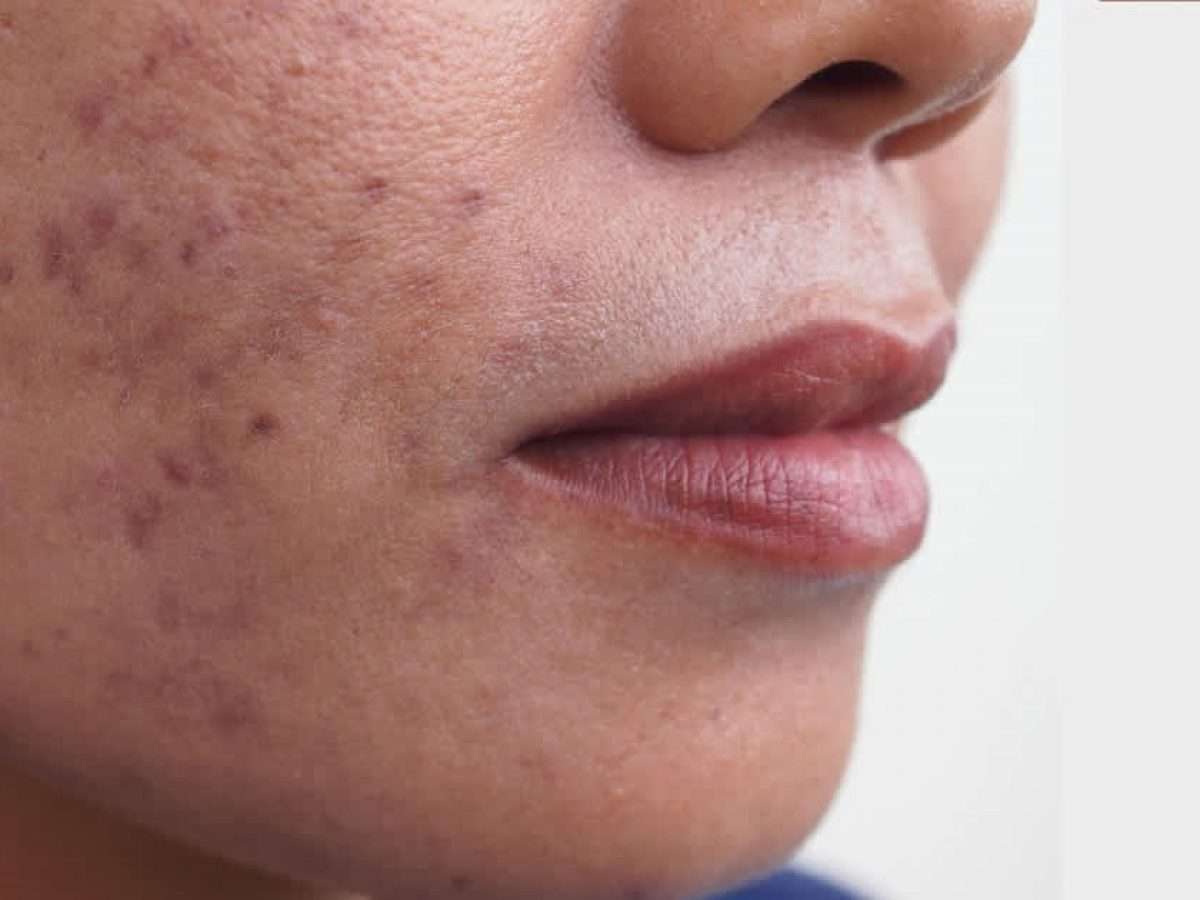
Psot-inflammatory hyperpigmentation
What does post-inflammatory hyperpigmentation look like? Post-inflammatory hyperpigmentation looks similar to age spots. They won’t cover as large an area as melasma.
What causes post-inflammatory hyperpigmentation?
These marks are left behind when the skin becomes inflamed. They can follow breakouts, wounds or even reactions to skincare products and in-clinic laser treatments. Making sure you treat blemishes with care (that means no squeezing or picking) can reduce the likelihood of post-inflammatory hyperpigmentation, but unfortunately some people are just more prone to it than others.
Pigmentary Demarcation Lines
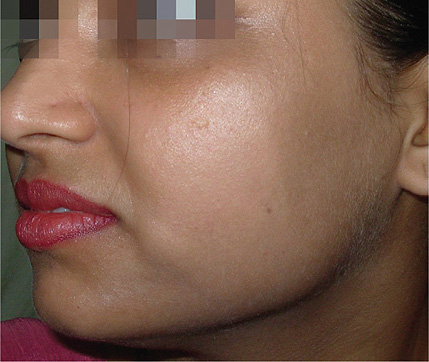
These are well-defined gray or brown colored pigmentation on side upper cheeks difficult to treat as it is time taking also difficult for patient to hide even with make-up. Combination treatment along with topical medication works which may improve them unto 60-80% that is not noticeable with naked eye. Sunscreen application is mandatory throughout and after the treatment. Initial consultation with our doctors and treatment plan is necessary before proceeding towards any treatment.
We treat all kinds of pigmentation with medication, lasers, and visio-therapy along with high-tech facials. Combination therapy always works best for pigmentation.